Overview
Volunteer on a Conservation Research Projects with Koalas in Queensland, Australia
Enjoy remote bush living and great side trips on this pioneering conservation research project
Physically fit, adventurous volunteers are needed to join a research team living in the Australian bush to monitor koalas. By joining this wildlife research project, you will live and work in a unique environment in central Queensland and contribute towards vital research on these beautiful creatures. Very little research exists at present about nocturnal koala behaviors, so this is a great opportunity to monitor first-hand these amazing creatures at night. In addition to day-time and night-time surveys, you will learn about the unique plant communities that exist in the 22,000-acre site, and will be involved in extensive sampling techniques. With tours included to the beautiful Whitsunday Islands and Eungella National Park, this really is an ideal trip for any conservation enthusiasts with Aussie adventure in mind!
Those with a passion for conservation will gain knowledge of the three unique and diverse Australian environments, while contributing to ecological research for one of Australia’s faunal icons. A true Aussie experience!
Steph, Project Leader 2007
What Difference Does This Project Make?
This project focuses its research on the diurnal as well as the nocturnal behaviour of koala’s, of which little is known. Volunteers will play a large role in collecting important data, such as local climatic characteristics, tree selection and diet. This will help our understanding of koala behaviour, their feeding habits and their habitat use.
Highlights
Working on valuable research project in the Australian bush, taking part in both day and night surveys, and visiting Whitsunday Islands and Eungella National Park in your downtime.
Location
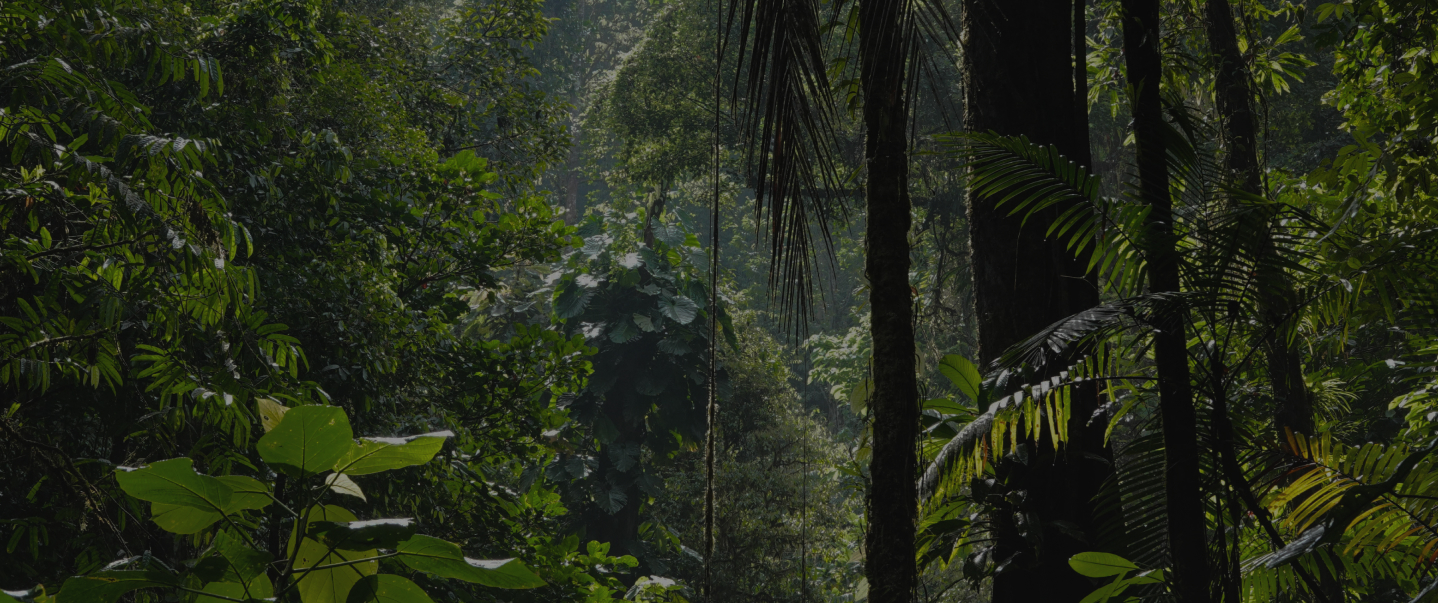
The project area is located in a State Forest between the towns of Collinsville and Bowen in central Queensland, Australia. The area is roughly 22 thousand acres, and has a number of unique plant communities ranging from open and closed woodlands to rainforests, living in the gullies and rock outcrop formations. There are three ephemeral creeks located on the property; each of their headwaters originate from the higher elevations and are either contained on the property or flow southward off the property boundary.
Field Conditions
Living conditions will be remote bush camping, which means that you will camp in the tents we provide under the Aussie stars. There will be two volunteers per tent, and individual cot-type beds will be provided.
Solar showers provide warm water and laundry is done by hand. There will be limited electricity as at this point there is no generator. Only car chargers are available, which will be used to charge lights, GPS, laptops, mobile phones and any other items which will be needed for the research project. Electricity will not be available for ready use by volunteers.
Cooking will be done by gas camping stoves. Food provided for the trip will be purely vegan (with the exception of boxed milk for breakfasts), as there is no way to store perishable items for extended times. Items such as fruit and vegetables will be replenished on a weekend basis, to provide an adequate variety.


