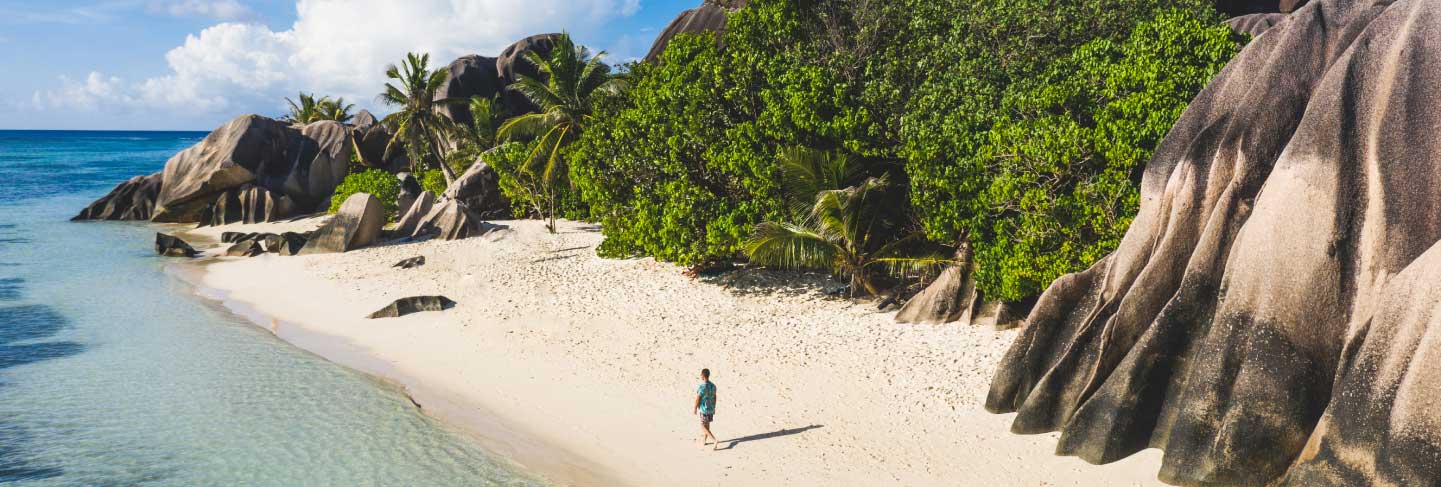
Volunteer in Costa Rica
The adventure of a lifetime in a remote paradise.
Elusive wildcats. Prehistoric sea turtles. Abundant birdlife. Join one of our Costa Rica wildlife or coastal volunteer or internship programs and find yourself immersed in a tropical terrain teeming with thousands of species, helping to protect it against the threats of habitat loss.
Why volunteer in Costa Rica?
Did you know that Costa Rica accounts for only 0,03% of the world’s surface area, but contains more than 5% of its biodiversity? When you join a volunteer program in Costa Rica, you’ll live and work in the heart of the tropical jungle or on the Caribbean coast.
This remote and wild research hub requires participants to join challenging hikes. It’s important that you’re physically fit to join us – consult your enrolment manager for details.
Costa Rica’s diverse ecosystems
Costa Rica has an incredible variety of terrains, offering challenging hiking through jungles and rolling hills. You’ll find yourself surrounded by a multitude of different ecosystems where myriad types of fauna and flora flourish. And the tropical climate just adds to the variety.
On a wildlife volunteer program in Costa Rica you’ll experience a country bursting with biodiversity and see first-hand the types of plants and animals that are found in its forested peaks and flatlands. Our wildlife conservation volunteer work in Costa Rica includes projects where you could work towards the conservation of:
- Tropical birds.
- Reptiles and amphibians.
- Ocelots, pumas and other jungle cats.
- Sea turtles.
- Hundreds of species of frogs and reptiles.
- Monkeys, sloths, coatis and porcupines.
On a coastal conservation volunteer program in Costa Rica, you’ll experience the Limón province of Costa Rica, known for its stunning coastline, and unique blend of protected rainforest and marine ecosystems. Our coastal conservation volunteer work in Costa Rica includes projects where you could work towards the conservation of:
- Leatherback sea turtles
- Hawksbill sea turtles
- Green sea turtles
- Reptile, mammal and bird biodiversity
It’s no coincidence that our volunteer programs in Costa Rica are rated tops. We take every opportunity to make sure that our programs are the best by:
- Contributing towards the United Nations Sustainable Development Goals.
- Collaborating with the local community.
- Focusing on ethical interactions and sustainable solutions.
- Offering ample opportunity to have fun and make a meaningful impact abroad.
Exploring Costa Rica in your free time
Our volunteer projects allow for plenty of free time – meaning you can explore the surrounding areas. A popular tourist destination, you’ll be spoilt for choice when visiting Costa Rica. If you’re looking for beaches, you’ve come to the right place. Head to Punta Uva beach, where you’ll find kilometres of white sand lined with palm trees, excellent surfing conditions, and eateries. The famously advanced surfing spot known as Salsa Brava can also be found here. If you’re looking for something more off the beaten track, head to the neighbouring beach towns of Cahuita or Manzanillo.
Other activities you can take part in include snorkelling among a coral reef in Cahuita National Park, hiking, ziplining and white-water rafting. You could also spend a weekend visiting a nearby town. Spend the day exploring the cultural sites of the city, visit a museum, admire the architecture, and take note of the birdlife while enjoying a picnic in one of the city’s many parks.
Read more about Costa Rica in this article: Costa Rica Adventure Travel: Thrilling Experiences in Nature’s Playground.
Filter programs
Contribute to sustainable conservation projects led by experts.
Use your unique skills and expertise to support conservation projects.
Generate solutions to help solve conservation challenges through research projects.
Turn your passion into your profession with a three-month placement at an NGO.
The adventure of a lifetime while making an impact with a group of like-minded teens.


We offer a range of opportunities in Costa Rica, including volunteering, internships, a research fellowship and a professional apprenticeship.
Conservation volunteering in Costa Rica
Feed your sense of adventure by journeying to our Kekoldi research station in Costa Rica’s Kekoldi Indigenous Reserve, and getting involved in wildlife and marine conservation. From assisting with the conservation of critically endangered hawksbills and endangered green sea turtles to gathering valuable data on jaguarundis and other wild cats, your biggest decision will be deciding which conservation volunteer program you want to join.
Volunteer in Costa Rica in wildlife conservation
Take the chance to duck and dive along a jungle path and take stock of all the species you spot. With each twist and turn, you’ll keep an eye out for the tropical birds, reptiles and amphibians, as well as the wild cats that you’ll be collecting conservation data on while volunteering in Costa Rica.
If you’re looking to explore a remarkable coastal rainforest and conduct biodiversity species in their natural habitat, our rainforest and biodiversity program is for you. Living and working in the rainforest, you’ll hike through the Kekoldi Indigenous Reserve, assisting the Costa Rican government with understanding the health of the habitat and assisting them with managing conservation efforts in the region. It’s important to note that this program requires participants to hike in challenging terrain, so being physically fit is a requirement.
Costa Rica is also a bird lover’s paradise. On our bird research program, you’ll have the opportunity to work on dedicated bird of prey and tropical bird species research during migration season, gaining invaluable experience in data collection techniques and conservation strategies.
And if conducting research on wild cats is something you’ve almost dreamt about, our wild cat conservation volunteer program is the one for you. You’ll learn valuable conservation skills and field experience while setting up and monitoring camera traps in the rainforest to monitor population studies.
We also have a specially designed under-18 program for teens between the ages of 15 and 17. Teens who join our rainforest conservation volunteering program will explore diverse habitats like jungles, lagoons and beaches, learning to identify local wildlife, including monkeys, tropical birds, raptors, reptiles, wild cats and sloths. They’ll also protect sea turtle nests, participate in beach cleanups and support community initiatives.
GVI has been operating ethical and responsible programs for under 18s since 2012, so you’re in safe hands with us. We treat health and safety as a number one priority and take extra measures for our under-18 programs, with greater supervision applied to our teen programs than our other volunteer programs.
Training and field experience allows teens to develop skills beneficial to their college applications and future employability. Some of these might include intercultural competency, teamwork, and leadership, by interacting and working with teens from around the world.
Volunteer in Costa Rica in coastal conservation
With more than 1,000 kilometres of coastline, it may be a challenge to see every beach in Costa Rica. But, when you do volunteer work in Costa Rica, you’ll travel to some of the best beach spots in the country, and take part in meaningful marine conservation activities while you’re there.
Get kitted out and set off on night patrols along the beach during the turtle-nesting season in Cahuita, Costa Rica. Count the numbers of turtles creeping up onto the beach, digging their nests or already laying their eggs. Then get some sleep before going out for day-time patrols where you can assist team leaders in measuring turtles and collecting other information that contributes towards the conservation of leatherback, hawksbill and green sea turtles.
Run in conjunction with Turtle Rescue Cahuita, when you join our sea turtle conservation volunteer program, you might also have the opportunity to assist with research on mammals, birds, reptiles and amphibians, contributing to long-term conservation efforts along Costa Rica’s Caribbean coast.
Our Costa Rica volunteer programs run throughout the year, from January to November, but our sea turtle conservation programs are restricted to the nesting season, from March until August.
Each of these volunteer programs in Costa Rica come with the GVI promise that you’ll:
- Contribute towards tackling global issues.
- Direct your career goals and work to improve your employability.
- Receive support from GVI before, during and after your volunteering in Costa Rica experience.
See what you could get up to on a gap year in Costa Rica here: What to do in a gap year in Costa Rica.
Internships in Costa Rica
GVI’s international internships offer a range of conservation programs where you’ll work with local partner organisations and gain hands-on fieldwork experience. This is an excellent opportunity to boost your employability and contribute to cutting-edge research. These programs also foster leadership skills, allowing interns to take charge of various projects in the field of conservation. Ranging in length from 2 to 12 weeks, we offer the following internships in Costa Rica:
Please be aware that these programs involve hiking in difficult terrain, making physical fitness a necessity.
Professional apprenticeship in Costa Rica
Begin your career with a 3-month work placement in Costa Rica, where you’ll gain essential experience by working on real-world conservation projects. This opportunity follows your intensive 12-week training in the Kekoldi Indigenous Reserve on the Caribbean coast, where you’ll learn from an international team of researchers and contribute to projects focused on mammal biodiversity.
Research fellowship in Costa Rica
Joining our conservation research fellowship is a golden opportunity to finish your studies and maybe even get published. Whether you go solo on a research project or contribute to ongoing ones, you’ll dive headfirst into the whole research process, from collecting and analysing data to sharing your discoveries in papers or theses.
Community development programs in Costa Rica
If you’re looking for a community-based program, we run a range of projects from our community hub in Hone Creek, in the Puerto Viejo de Talamanca district. Our programs are locally-led, which means you’ll work in collaboration with community leaders, enjoy homemade Costa Rican cuisine and learn about the language and culture of Costa Rica first-hand.
Spend your time on volunteer programs in Costa Rica that are focused on supporting the education of school-aged children through extra-curricular activities. Work with school teachers and your fellow volunteers to plan and deliver fun activities that assist children in learning English.
Since GVI is committed to ethical and sustainable solutions, we’ve transitioned away from working with orphanages, and each of our Costa Rica volunteer programs follows our strict stance on orphanage volunteering, as well as our Child and Vulnerable Adult Protection Policy.
While the closing of the educational gender gap is cause for celebration in Costa Rica, there are still many opportunities to address UN SDG 5: Gender Equality. Learn about the culture of Costa Rica while working with local women in one of our Costa Rica community volunteer opportunities. Facilitate English-language lessons and alternative-income projects that will assist them in starting – or improving on – their business in the tourism sector.
Visit our People site to find out more about our community programs in Costa Rica.
FAQs about our volunteer in Costa Rica programs
Q: What languages do I need to know to volunteer in Costa Rica?
A: When it comes to volunteering in Costa Rica, fluency in English is a must-have. While not essential, having a grasp of Spanish will certainly be helpful and enhance your experience. So, whether you’re already fluent or just starting to learn, your dedication to making a positive impact is what truly matters!
Q: What costs do I need to consider when volunteering in Costa Rica?
How much you spend while volunteering in Costa Rica depends on your personal preferences. GVI covers your accommodation, meals while on project, and the necessary training and materials you’ll need on your volunteering in Costa Rica trip. Your fees also include any specified program excursions and activities. Please note that you will be required to bring along some of your own equipment such as binoculars and a head/hand torch for surveys.
You may need a visa to travel to Costa Rica (depending on the country you are travelling from).
The costs you’ll need to cover once in-country include any extra excursions or activities you choose to take part in, Spanish lessons (if not included in your program) and additional drinks and gratuities.
You can get in touch with GVI’s support staff to find out more about project- and travel-specific details for our Costa Rica volunteer programs.
Q: How is volunteer health and safety ensured on GVI’s Costa Rica volunteer programs?
A: Our Costa Rica volunteer opportunities take every necessary precaution to ensure volunteer health and safety. Our strict Health and Safety policy places the well-being of our volunteers at the top of our list of priorities. All staff on our projects are our own, which means that they’ve been through our rigorous health and safety training. During orientation, every volunteer also receives general and country-specific health and safety training that allows them to have the safest – and most exciting – volunteer experience.
While volunteering in Costa Rica, participants take part in volunteer activities in groups and are supervised by trained professionals. GVI promises you a safe and enjoyable experience.
Q: What level of physical fitness is required for this location?
A: Our Kekoldi hub is located in a remote mountainous rainforest environment, where participants must be physically prepared for challenging terrain. Project activities involve hiking long distances across steep, uneven, and sometimes waterlogged trails. The high humidity and heat will make even short hikes physically demanding.
To fully participate in conservation activities, you should be comfortable walking for extended periods in these conditions. Your enrolment coordinator will provide more details and guidance to help you prepare before joining the program.