The Project
Wildlife Conservation Expedition in Costa Rica

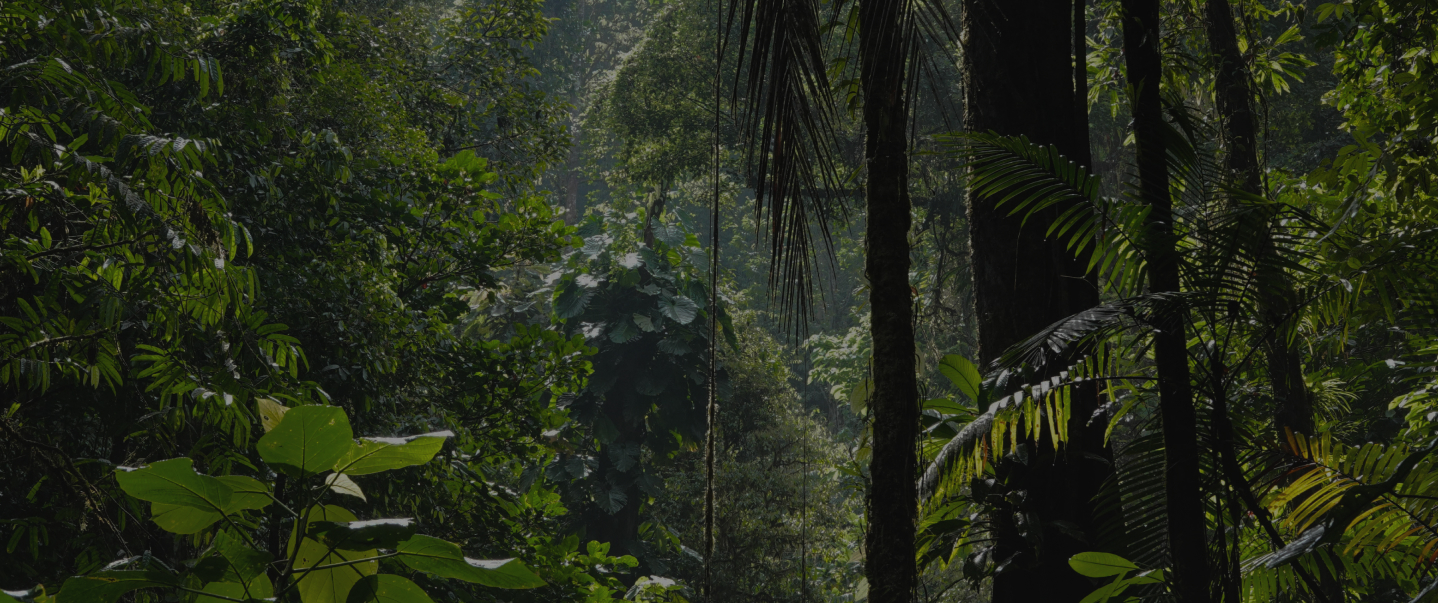
Expedition members are based at a biological field station that sits on a forest waterway, a short canoe paddle from the beach. It is surrounded by lush tropical rainforest filled with a variety of wildlife and regular sightings of Mantled howler and Central American spider monkeys can be seen from the dinner table. There is no road access to the region, so all transportation is via kayak, canoe and motor boat through the stunning canals and rivers that meander through the tropical rainforest.

GVI's work is carried out on behalf of and in conjunction with local, national and international partners. In addition to our main partner COTERC (Canadian Organisation for Tropical Education and Rainforest Conservation), GVI is working with the Costa Rican Ministry for Energy and the Environment (MINAE) to develop and sustain the long-term conservation of the Tortuguero area.

A brief but intensive training period prepares expedition members for a variety of exciting and adventurous conservation projects. It is important to realise that this expedition is very dynamic, with projects continually being changed and new ones started. The importance of each project is very dependent on the needs of our local partner, the needs of the local community and the time of year. Each project works towards some or all of the aims below:

a) Collecting and analysing scientific data, and increasing scientific interest in the area.
b) Increasing the conservation value of the area
c) Improving community awareness and capacity
d) Raising awareness and studying the effects of tourism
e) Encouraging and contributing to local sustainable revenue.

After a comprehensive training period and a compulsory first aid course (certification optional at extra cost of $35), the group rotate on the various projects. Below are the projects currently being undertaken:

1. Jaguar Predation of Marine Turtles: assisting the Costa Rican Ministry for Energy and the Environment (MINAE) with data collection in their survey documenting evidence of jaguars (Panthera onca) predating on marine turtles. Data collection consists of walking 14.5 miles on the beach of the national park, and participation is therefore selection-based due to health and safety precautions.

2. Jaguar and other Mammal Abundance Research: GVI set up camera traps in order to identify and estimate the abundance of jaguars (Panthera onca) along the beach of Tortuguero National Park. The cameras are checked on a regular basis, and any photos captured analysed.

3. Marine Turtle Monitoring and Conservation Programme (March – October): COTERC and GVI are monitoring the ‘North Beach’ to collect data on nesting green sea turtles (Chelonia mydas) and leatherbacks (Dermochelys coriacea), in order to record their spatial and seasonal distribution, monitor the number of nests, determine the level of illegal poaching on turtles and their nests, record hatchling emergence and hatching success rates, track re-emergences to the nesting beach and or migration between beaches, and register tourist and human development around the nesting site. At different stages of the seasons, this project involves tagging of nesting female turtles at night, nest relocation, morning census of tracks, determination of nests status nest excavations after the predetermined hatchling period and frequent beach cleanings.

4. Resident and Migratory Bird Research: In collaboration with Steven Furino of Waterloo University, Canada, GVI is collecting seasonal population data on resident and migratory birds on canals in the National Park and Wildlife Refuge.

5. Local Capacity Building: We are teaching basic English to both school children and adults within the local community of San Francisco. A language exchange also takes place at a local tourist lodge (seasonal).

6. Community and tourist environmental education and sustainable development initiatives are provided and supported by GVI when needed: In association with COTERC we are teaching children environmental education, and GVI regularly arranges environment awareness events with the community of San Francisco.

7. National Scholarship Programme: GVI invites up to four nationals a year to join an expedition in order to receive the same training and gain valuable skills and experiences along with the international expedition members.

After the initial setting up period, and in close collaboration with partners and their conservation priorities, other projects may be implemented at a later stage:

The Canadian Organization for Tropical Education and Rainforest Conservation (COTERC) is a registered Canadian charity based in Ontario, Canada. Its mission is to provide leadership in education, research and conservation, and promote the wise use of natural resources in the tropics. Founded in 1991, COTERC operates in both Canada and Costa Rica, and owns the Caño Palma Research Station. In Canada, the board of directors are biologists, accountants, educators, environmentalists, zoo professionals and media professionals who are all committed to actively working to protect tropical rainforests.

GVI’s aim is to conduct a comprehensive research programme supporting conservation in this biodiversity hotspot. By working with MINAE, GVI is assisting in obtaining vital data which will help management and, ultimately, conservation of animals like the majestic jaguar (Panthera onca) and the threatened sea turtles. Jaguars are roaming the beach of Tortuguero National Park and predating on marine turtles, but little is known about this unusual prey selection and, indeed, how many jaguars are present in the park. GVI is investigating further into this behaviour by continuing data collection on jaguar presence and predated turtles along the 14.5 mile stretch of beach bordering the park. In addition, GVI is setting up camera traps in order to identify individuals and to obtain an estimate of the abundance of jaguars on the beach and in the bordering forest.

Working with our partner, COTERC, and in association with the Caribbean Conservation Corporation (CCC) and MINAE we are undertaking a conservation and monitoring programme of nesting marine turtles. This project was established by COTERC in the green turtle (Chelonia mydas) season of 2004 and aims to monitor nesting female turtles, document the poaching rate of eggs and meat, as it is essential in aiding further conservation of the local marine turtle population on the North Beach. All data for this project is shared with COTERC, the CCC and MINAE in order to help raise awareness of the plight of the threatened sea turtles and to compare with the CCC’s impressive data set collected over the past 35 years as well as with other marine turtle conservation projects in the Caribbean. This is an international conservation effort with support from many of the world’s leading conservation authorities.

In association with Steven Furino from Waterloo University, Canada, GVI has implemented a long-term bird monitoring programme in order to collect population data on resident and migratory birds in different sites and habitats. The data is collected by GVI, and then collated in a programme specifically designed for this purpose by Steven Furino, with the aim of making annual raw data on bird presence and nesting behaviour available to other researchers or conservation organisations, and serve as a management tool for MINAE.

Tourism is one of the biggest sources of income in the Tortuguero area, and being able to speak English is a desired skill for those working in the tourist lodges. An important aim of GVI is to support the local communities by offering capacity building in the form of basic English lessons. The English teaching programme is based on the theory and ideas of TEFL (Teaching English as a Foreign Language), and GVI provides expedition members with the background knowledge to teach children and adults in the community of San Francisco. The long-term aim is to provide community members with English language, which in turn should increase the chances of working in tourism as a sustainable alternative to forestry and the poaching of turtles.

In order to further help local capacity building, GVI offers up to four nationals per year a chance to join the expedition members on the expedition and hence receive biological training and gain valuable skills and experience. Priority will be given to people who intend to live and work long-term in the conservation of the area.

1 888 653 6028

UK Website US Website - We are Here At The Moment Australian Website Ireland Website

Duration and Costs

Duration Cost
5 Weeks US$2890
10 Weeks US$4690

Group Size
12 to 18, plus staff. Your daily working groups will comprise of four to six people.
Book Online Now

Share this Page

Delicious
Facebook Share On Facebook
Digg
Reddit

Related Programs

Search World Map

World Map Search for Volunteer options using our interactive World Map

Search for Programs