Further Information
Volunteer in the Galapagos Islands

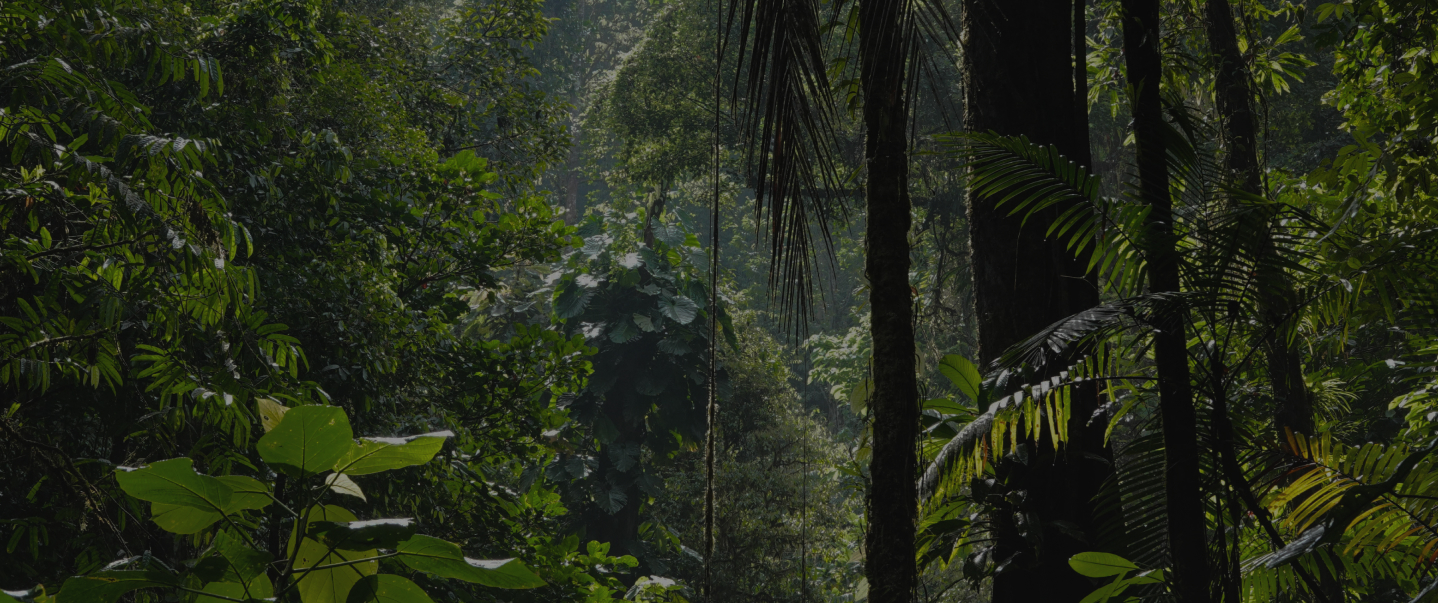
The bio station is located in the highlands of the island, on a 200 hectare site, where there is still native vegetation. One of the objectives of this new station will be to develop the technology to reconstruct native habitat in the highlands on San Cristobal, and to serve as a centre for similar projects in the highlands of other populated islands in the Galapagos chain. The remaining native highland forests on the populated islands are quite limited due to farming activities in general, and the introduction of useful, but very invasive, species from the mainland such as tropical cedar and Cinchona.

The Foundation has worked in the development of reforestation, habitat re-composition, and agro forestry activities during its 18 years in Ecuador. In virtue of this, one of the objectives of this station is to develop methodological practices for natural system reconstruction that will serve as a model for similar projects in other reserves.

The remains of the native forest on the island have been significantly reduced from their original size, given the agricultural activities on the island during past years. Additionally, many of the original plants have been replaced with foreign species introduced to the islands by humans, such as Cedar and Cascarilla, which years earlier, had great economic value. Therefore, the station started a forest nursery in order to promote the recovery of the natural areas and native species.

The station is also working with local farm owners in efforts to develop organic agricultural alternatives for fruit and vegetable production, with an end goal to sell the products to the local populations on the island. Due to the importation of agricultural products from the continent, every day new exotic species are being introduced to the island.

San Cristobal is one of the richest islands in the Galapagos. Here you can observe Galapagos Tortoises, iguanas, two species of sea lions and much more. For birds, you can easily watch several endemics, such as the Chatham Mockingbird (endemic to this island!), the Galapagos Storm-Petrel, Lava Gull, Galapagos Dove, Galapagos Flycatcher, Galapagos Martin, many Darwin Finches: Small Ground-Finch, Medium Ground-Finch, Sharp-Beaked Ground-Finch (vampire in Darwin and Wolf Islands), Common Cactus-Finch, Small Tree-Finch, Woodpecker Finch, Vegetarian Finch and Warbler Finch. Among the rich bird fauna of the island you can see other specialties, such as: Waved Albatross (flying individuals), Blue-Footed Boobies (Galapagos subspecies), Masked and also Red-Footed Boobies (Galapagos subspecies), Greater Flamingo, Swallow-Tailed Gull, Dark-Billed Cuckoo, Short-Eared Owl (Galapagos subspecies), Vermillion Flycatcher and many more.

1 888 653 6028

UK Website US Website - We are Here At The Moment Australian Website Ireland Website

Duration and Costs

Duration Cost
5 Weeks US$2090
7 Weeks US$2430
9 Weeks US$2770
11 Weeks US$3110
13 Weeks US$3450

Group Size
20 max plus staff.
Book Online Now

Share this Page

Delicious
Facebook Share On Facebook
Digg
Reddit

Related Programs

Search World Map

World Map Search for Volunteer options using our interactive World Map

Search for Programs