Expedition Life
Wildlife Conservation Expedition in Costa Rica

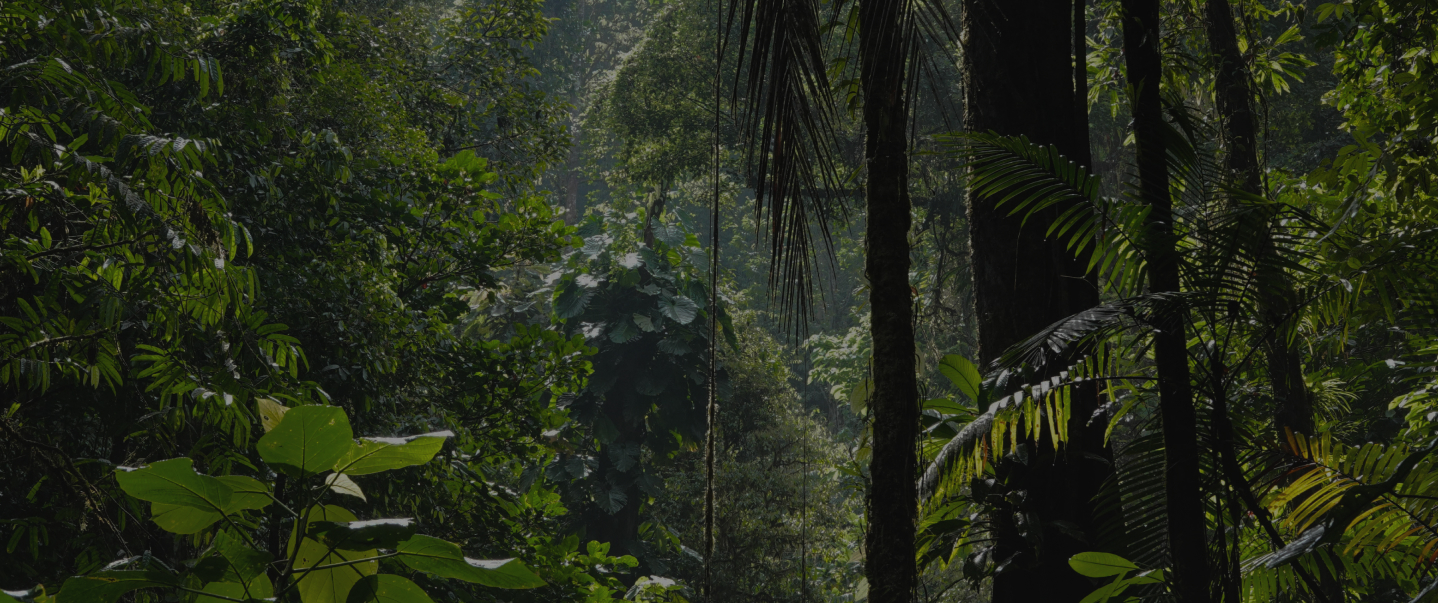
GVI Costa Rica works out of the Caño Palma Biological Station which is owned by COTERC, a conservation organisation based in Canada, who also has people living and working on base. Set in a beautiful environment surrounded by rainforest on three sides and a small canal waterway, Caño Palma, on the other. A range of wildlife is visible from this small open area within the closed forest, including toucans, monkeys, caiman and much more. The base is small but comfortable, with space set aside for socialization, relaxation, and study. On base, we have flushing and composting toilets, cold showers and basic laundry facilities. There is also a telephone line but this is used for staff and emergencies only. You will sleep in dormitories, with up to 6 people per room. The environment is hot and very humid, and despite the occasional flood and power cut it is a stunning place where you can spot much of the local wildlife. You will fall asleep to the sounds of the rainforest and wake in the morning with the haunting call of the howler monkeys (the loudest land mammal). A tourist lodge lies directly across the canal and offers access to the beach. It also has a bar that is occasionally open, plus a path leading to the nearest small village of San Francisco.

All food is cooked and cleaning is done by the expedition team on a rotational basis. The food is basic, containing a lot of traditional rice and beans (Gallo Pinto, the national dish of Costa Rica), yet meat or fish is supplied twice a week, and most people go to town to buy a pizza on the weekends! Supply trips by boat to the village of Tortuguero offer access to all basic amenities as well as the national park. Luxurious tourist lodges are scattered up and down the river near Tortuguero and tourist boats can often be seen making their way along the river. During your time here you will get to know the guides that use the river, the Caño Palma Canal and the national park for wildlife watching.

You will spend the majority of your time on the expedition conducting exciting research projects, collecting and collating data. Time will also be spent collating data, preparing and assisting with community programmes and giving English lessons to community members. All members of the expedition are also required to help with the running of the biological research station, which includes cooking (bring your favourite herbs and recipes!), maintenance and cleaning on a rotational basis. The days can be long, starting early in order to take advantage of the cool mornings and wildlife activity, and work continues throughout the day and night (in turtle season). Be warned that you will get very hot and sweaty during the day's activities, so ensure you come prepared (upon application you will receive a fully comprehensive field manual which contains a recommended kit list).

The first few weeks will be hard as you adapt to the change in environment and learn the different skills the projects require. Though not isolated, the expedition is in a fairly remote location so you will participate in first aid training (and can get certified in this at cost price if you wish), health and safety procedures, and you will learn about the area and the different study sites. These training courses are crucial as the environment has its hazards. You will be prepared thoroughly for any eventuality and your skills will be tested on a continuous basis. By the end of the expedition your sense of accomplishment will be astounding and you will be a competent researcher with many new skills to offer.

Those who choose to join this expedition may have the opportunity to:

  • Participate in jaguar research along remote regions and beaches, looking for the elusive animal and their signs, and helping with the camera trapping. A small number of people have got to see a jaguar in the wild, but this includes a lucky handful of GVI volunteers
  • Learn a range of surveying techniques for wildlife research and put those skills to good use in the field, conducting biological surveys in both coastal and rainforest environments. This includes identifying key species of birds, mammals (including several monkey species), helping with marine turtle nesting and hatchling surveys
  • See prime turtle nesting beaches for green and leatherback turtles and watch them lay their eggs and return to the sea, then see the hatchlings emerge and make their way to the sea
  • Canoe down tranquil jungle waterways on bird surveys and taking in the sounds, smells and amazing diversity of plants and trees of the dense jungle on either side and spotting monkeys, otters, toucans, caiman and turtles on the canals of the National Park
  • Climb the Cerro Tortuguero – a short but testing jungle trail leading to the top of the only high point in the area, which gives you a fabulous view of the beach, Tortuguero, the vast tropical rainforest and the waterways
  • Experience the beach and the canals under the stars, spotting caiman and turtles as well as other nocturnal species – something you will never forget!
  • Teach English to community members in a fun and engaging way
  • Assist with environmental education and sustainable development initiatives with the local community
  • Share recipes from home and learn to cook for a large group of people
  • Visit beautiful Costa Rica and learn about Tico traditions. Enjoy conversations with like-minded people from different countries and backgrounds
  • Paddle the canoe across the canal to the local bar at night and paddle back with the stars guiding you home
  • Enjoy a well deserved rest in the hammocks on your time off

Location

The expedition base is situated at the very southern border of Barra del Colorado Wildlife Refuge, within lush emerald rainforest that is the home to a rich variety of wildlife, including monkeys, caimen and otters. As there is no road access in the region the expedition base is situated next to a waterway with a boat dock, from where you can travel by kayak, canoe and motor boat through stunning canals and rivers. A short canoe ride away across the waterway there is a beach and turquoise waters containing a rich variety of marine life. A 20 minute motor boat ride from the station, will take you to Tortuguero, a typical sleepy Caribbean village, with a population of about 800, made up of Nicaraguans, Costa Ricans and descendents from the Caribbean Islands. The nearest village of San Francisco is reached by a short paddle and a 20 minute walk.

The forest itself is one of the largest areas of protected tropical wet forest in Costa Rica, and the beach along Tortuguero is home to the largest nesting colonies of green sea turtles (Chelonia mydas) in the world. It is a greatly important beach, with roughly 25,000 females coming to it to nest each year, as well as three other endangered or critically endangered species of marine turtles. The nesting beach GVI works on is to the north of Tortuguero River, and still receives a great number of green and leatherback turtles.

Relative to its small size, Costa Rica contains more species of plants and animals than any other country in the world and its wildlife is distinctly accessible – one of the things Costa Rica is so well known for. This amazing biodiversity is partly due to the amazingly wide variety of landscapes Costa Rica contains due to its geographical location, as the centre of two huge continental masses and a barrier between two oceans in the tropics. It is truly an amazing part of the world to visit and experience, and an incredibly worthwhile area in which to work on conservation projects.

1 888 653 6028

UK Website US Website - We are Here At The Moment Australian Website Ireland Website

Duration and Costs

Duration Cost
5 Weeks US$2890
10 Weeks US$4690

Group Size
12 to 18, plus staff. Your daily working groups will comprise of four to six people.
Book Online Now

Share this Page

Delicious
Facebook Share On Facebook
Digg
Reddit

Related Programs

Search World Map

World Map Search for Volunteer options using our interactive World Map

Search for Programs