Further Information
BTEC Course in Ecuador in Biological Survey Techniques
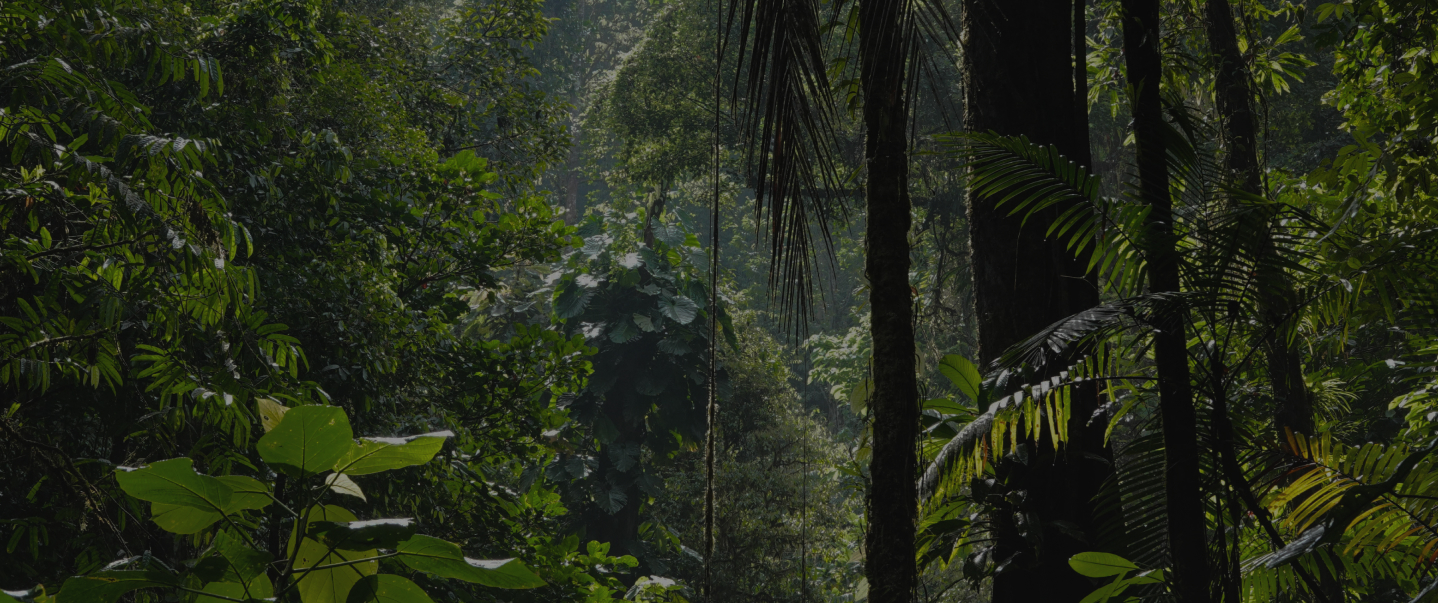
The tropical forests of the world are under threat from mankind. Ecuadorian Amazonia is listed by the IUCN and WWF as one of the world’s ‘Centres of Plant Diversity’ – the most important global sites for conservation (CPD 1998), yet in the last 35 years the Amazon Rainforest has been reduced by two-fifths.
Joining this expedition gives you the chance to work alongside young people from various indigenous and colonist (settler) communities in 1,800 hectares of mostly primary rainforest. GVI’s field research and community education project aims to help students from local, agricultural and disadvantaged communities to build a sustainable source of income from eco-tourism, conservation and sustainable agriculture. This is as an alternative to the highly destructive practices of forestry or petroleum, increase conservation value of the area and enable local capacity building for future management.
The field research programme involves creating species lists of targeted animal groups (such as mammals, birds and amphibians) and finding the prospect of determining the distribution and abundance of these groups. There are numerous plant and animal species in the Amazon Rainforest; the identification of which provides a strong basis for the conservation and preservation of local forests. The number of species is also overwhelming – for example over 200 species of bird have been identified in the reserve in previous years of research. The Amazon is also home to river turtles, caiman, a number of snakes and a great variety of monkeys, macaws and butterflies. The region has the highest plant diversity in the world and many new species have been found in the course of previous research.
Through scientific research and community projects GVI will greatly enhance learning opportunities for students who may go on to work in the fields of ecotourism, sustainable agriculture and conservation, in addition to providing them with an invaluable opportunity to practice their developing English language skills and work alongside foreign visitors. In exchange, the students, their teachers and members from local communities offer a wealth of knowledge about their culture, traditions and medicinal plants as well as offering you the opportunity to learn a new language, Spanish.
The Yachana Community:
Yachana is a Kichwa Indian word meaning ‘place of learning’. With over 20 years of experience in community development projects along the upper Napo River, the concept of meaningful education provides a cornerstone of the Yachana Foundation’s philosophy. Students from indigenous and colonist communities from as near as five minutes and as far as five hours by canoe, attend the Yachana Technical High School and form a ‘community’ of interests. However, the training they receive and skills they learn have much broader impacts for the communities they represent by providing alternatives in sustainable means of living. In this way GVI’s work and that of its expedition members reaches the much broader Amazonian community of inhabitants whose way of live is increasingly under threat.
1 888 653 6028
Duration and Costs
| Duration | Cost |
|---|---|
| 5 Weeks | US$3190 |
| 10 Weeks | US$4990 |
| Group Size |
|---|
| Maximum of 12 to 18, plus expedition staff. Your daily working groups will be 4 to 6 people. |


